
Car Overheating? The Dos and Don’ts You Need to Know
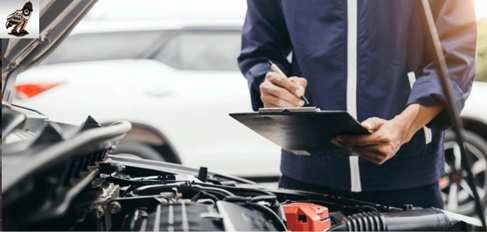
Is your car overheating? Having a car is one thing. Keeping it performing well is another.
When your car overheats, it can feel incredibly frustrating, especially when you have to go somewhere urgently, attend a meeting, or head to your daughter’s school for her play in the annual function. So, what should you do when your car overheats? Let’s take a deep insight into it.
When it comes to car overheating, there could be numerous reasons, including a failing cooling system, low coolant levels, a faulty thermostat, a broken water pump, blocked radiator fins, an inoperative fan, and more.
At Car Inspectors, we’re professional inspectors, offering used car inspection in Los Angeles. We will closely inspect your car for any performance issues, update you on the handling, and fix the issue.
So, what should you do when your car overheats? Let’s walk through the essential do’s and don’ts, along with some practical tips, to keep your engine and our wallet safe.
What Should You Do When Your Car Overheats: A Complete Emergency Guide

How to Know If Your Car Is Overheating?
Overheating of the car is primarily linked to the engine overheating. As summer heats up, the car engine’s performance can begin to slow down if the cooling system isn’t working properly. Here are a few signs that your car is overheating:
- The temperature gauge fitted to your car’s dashboard reflects how hot your car’s engine is.
- By observing your car’s dashboard light, you can understand that your car’s engine is in trouble. If you notice a RED thermometer dashboard light on a wavy line, it means your car is overheating.
- You might hear clicking or clanking noises coming from your car’s engine as the car’s engine oil begins to lose its lubrication due to overheating.
- Radiator fluid is a mixture of antifreeze, water, and corrosion inhibitors. The boiling point of a radiator fluid can range between about 223*F and 235*F depending on whether the system is working normally, without any leaks. When the temperature exceeds the radiator fluid’s boiling point, it can cause overheating.
Don’t ignore these signs because the earlier you act, the better your chance of avoiding serious repairs.
What Causes a Car to Overheat?
Now that you know how to identify when your car is overheating, the next step in the process is to know the reasons behind its overheating:
- Low coolant levels: The most common causes of car overheating are leaks in hoses, radiator or water-pump. This will both reduce the coolant level and also reduce the boiling point of the remaining coolant in the system.
- Thermostat failure: A broken thermostat can stop the coolant from reaching the radiator to cool down.
- Broken water pump: A malfunctioning water pump fails to circulate coolant through the engine.
- Radiator/Fan Issue: A clogged radiator cannot dissipate heat properly, while a failed electric fan fails to draw air through the radiator when stopped.
- Broken Belts/Hoses: Loose or broken belts prevent the water pump from working properly.
- Low Engine Oil: Oil reduces friction and helps cool the engine; low oil levels can lead to excessive heat.
What Should You Do When Your Car Overheats?
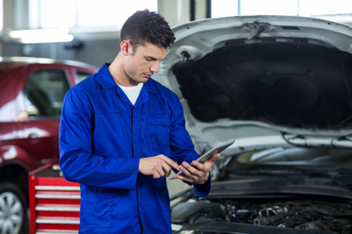
Let’s get straight to it. Here’s what you should do immediately when your car overheats:
1. Pull Over Safely
The moment you notice the temperature rising or warning lights flashing, find a safe place to stop. Don’t try to push through to your destination. This is how minor issues turn into major engine failures.
2. Turn Off the Engine
Once parked, switch off the engine right away. This stops further heat generation and gives the system a chance to cool down.
If you’re stuck in traffic and can’t stop immediately, turning off the AC and switching on the heater can help draw heat away from the engine.
3. Let the Engine Cool Down
Patience is key here. Wait at least 15-30 minutes before opening the hood. Never open a hot radiator cap. The HOT pressurized coolant can spray out, causing serious burns.
4. Check Coolant Levels
Once the engine has cooled:
- Check the coolant reservoir
- Look for visible leaks
- Add coolant or water if levels are low (temporary fix)
This step can often get you back on the road, but it’s not a permanent solution.
5. Call for Professional Help if Needed
If the problem persists or you’re unsure, don’t risk driving further. Call roadside assistance or a professional inspection service like Car Inspectors.
The Dos and Don’ts of Car Overheating
Dos:
- Do monitor your temperature gauge regularly
- Do carry extra coolant in your car
- Do get your cooling system inspected periodically
- Do act immediately when warning signs appear
Don’ts
- Don’t ignore warning lights, they are there for a reason
- Don’t keep driving an overheating car, stop driving as soon as possible
- Don’t open the radiator cap when hot
- Don’t rely on temporary fixes, get a proper diagnosis
The Bottom Line
Car overheating isn’t just an inconvenience. It’s a warning sign you should never ignore. Knowing what should you do when your car overheats can make the difference between a quick fix and a costly repair.
If you want peace of mind, let the experts handle it. Car Inspectors offer professional vehicle inspections, detailed diagnostics, and on-site services to keep your car running smoothly.
Don’t wait for a breakdown. Contact Car Inspectors today and ensure your vehicle stays safe, reliable, and road-ready!
FAQs About Car Overheating
What should you do when your car overheats suddenly?
Pull over safely, turn off the engine, and let it cool down. Avoid opening the radiator cap immediately. Check coolant levels once it’s safe and seek professional help if needed.
Can I drive my car after it overheats?
It’s not recommended. Driving an overheating car can cause severe engine damage. If necessary, only drive short distances after cooling and adding coolant, but get it inspected ASAP.
How long does it take for a car to cool down after overheating?
Typically 15-30 minutes. However, it depends on the severity of the overheating and weather conditions.
What are the most common causes of engine overheating?
Low coolant, radiator leaks, faulty thermostat, water pump failure, and cooling fan issues are the most common culprits.