
What is Included in a Used Car Inspection? A Complete Guide
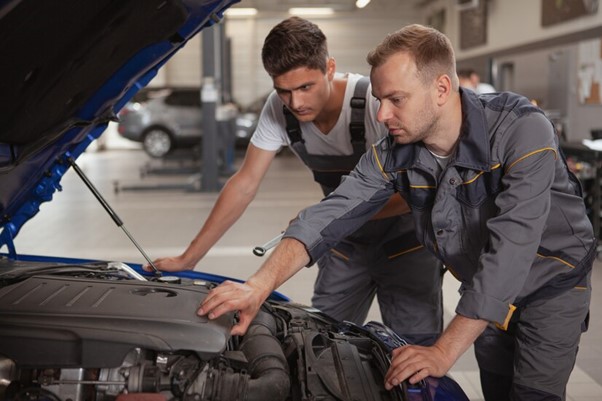
This complete guide explains what is included in a used car inspection, detail by detail. Learn why a professional used car inspection in Los Angeles is the ultimate safeguard for used car buyers.
When you are in the market for a used automobile, the most critical question to ask is: “…what does a vehicle inspection consist of?”. This process is far more than a simple visual check; it is a comprehensive, technical evaluation of a car’s mechanical, structural, and electronic integrity.
For buyers seeking a used car inspection in Los Angeles, understanding these components is essential to avoid buying “lemon” vehicles and ensure long-term safety. A professional inspection typically covers everything from engine health and fluid levels to frame damage and computer diagnostics.
By the end of this guide, you will understand the rigorous standards involved in a vehicle inspection in Los Angeles, helping you make an informed investment. So, let’s start!
What is Included in Used Car Inspection?
A professional inspection is a systematic deep dive into the vehicle’s “health record”.
At Car Inspectors, the process is designed to be exhaustive, covering over 150+ to 300+ individual checkpoints.
It isn’t just about finding what is broken today; it is about predicting what might fail tomorrow. Whether you are looking for a car inspection in Los Angeles for a luxury sedan or a rugged SUV, the inspection follows a strict protocol to ensure no stone is left unturned.
1. The Mechanical Core: Engine and Powertrain
The engine is the most expensive component of any vehicle. A thorough used car inspection in Los Angeles begins with a cold start. The inspector listens for rattles, knocks, smoke or irregular idling that could signal internal wear. They test the oil to see the presence of the milky textures that are normally an indication of a failed gasket at the cylinder head, which may cost thousands to replace.
Moreover, the transmission is checked to ensure smooth engagement. When the car jerks when switching between Park and Drive, or when the fluid smells of burning embers, it is a huge red flag. The cooling system is also checked by professional inspectors and makes sure that the radiator and hoses do not leak, and the water pump is also not leaking. This is necessary since overheating is the number one cause of used engines being significantly damaged or destroyed. Also, checks for aftermarket parts and corrosion are also made.
2. Electrical Diagnostics and the OBD-II Scan
Modern cars are essentially rolling computers. One of the most vital answers to “..what does a vehicle inspection consist of?” is the digital diagnostic scan.
Using On-Board Diagnostics (OBD-II) tools, an inspector pulls the history of the car’s computer. This can reveal “Pending Codes”, issues that the computer has detected but hasn’t yet triggered a dashboard warning light for. However, “Matured” codes that have set can be even more serious as they will indicate a definite malfunction in the system. This is crucial in a vehicle inspection in Los Angeles because it prevents sellers from simply clearing the “Check Engine” light right before you arrive.
3. Exterior Integrity and Accident Detection
A car might look pristine under the bright Los Angeles sun, but professional tools tell a different story. Using a digital paint thickness gauge, inspectors measure the microns of paint on every panel. If one door has significantly thicker paint than the others, it indicates body filler and a re-paint was done to cover a previous accident.
The inspection also includes a “frame check.” By inspecting the “aprons,” “B-pillars,” and “trunk floor,” an expert can see if the car was ever straightened on a frame rack after a collision. This is a safety-critical point; a car with structural damage will not protect you correctly in a second accident.
4. The Undercarriage and Suspension
Many buyers forget to look under the car. A used car inspection in Los Angeles involves getting dirty to check for rust, fluid leaks, and suspension wear.
Inspectors look at the “boots” on the CV axles; if these are torn, grease leaks out, and the axle will eventually fail. They also check the shock absorbers for oily residue, which indicates they are leaking and no longer dampening the car’s ride correctly.
5. The Road Test: Real-World Performance
An inspection is never complete without a road test. This is where the inspector evaluates the steering alignment. Does the car pull to one side? They also test the braking system for pulsations, a low or spongy pedal and “fading” which is a significant reduction in brake performance.
They also listen for “wheel bearing” noise, a high-pitched drone that increases with speed. This phase of the car inspection in Los Angeles ensures that the vehicle handles safely at highway speeds, rough and bumpy roads and during emergency maneuvers.
Why a Used Car Inspection in Los Angeles is Essential: The Facts?
The necessity of a professional inspection is backed by global automotive data. As the used car market continues to expand, projected to reach $1.90 Trillion by 2025 (Coherent Market Insights), the risk of purchasing a vehicle with undisclosed issues increases.
- High Defect Rates: Industry data suggests that approximately 27.6% of inspected used cars have significant undisclosed issues.
- Safety First: The World Health Organization (WHO) 2024 reports emphasize that vehicle inspections are “key measures” in reducing road fatalities.
- Undetected Accidents: Research indicates that up to 30% of vehicles have a history of body repair that does not appear on standard history reports.
Conclusion: Protect Your Investment Today
Understanding what is included in used car inspection gives you the upper hand in any car-buying negotiation! Don’t leave your safety and your bank account to chance in this fast-moving world, where used cars are moving off lots in record time. By choosing a professional vehicle inspection in Los Angeles, you ensure that your next “new-to-you” car is a reliable asset rather than a mechanical burden.
At Car Inspectors, our team of expert technicians is available to give you a digital report of over 150+ points, which explains all the details of your potential purchase. Ease the pressure of buying a car, and make sure you are getting a wise, secure, and profitable choice.
Contact Car Inspectors now to book your on-site car inspection and receive a comprehensive health report within hours. Secure your peace of mind and drive away with the confidence that only a professional inspection can provide.
FAQs
How long does a Car Inspection Los Angeles take?
A standard, high-quality inspection usually takes between 90 to 120 minutes. This allows the technician to perform the physical checks, take needed photos and videos, perform the computer diagnostics, and thoroughly road test the vehicle.
Can you inspect a car at a dealership?
Yes. Mobile services like Car Inspectors frequently visit dealerships. Most reputable dealers will allow an independent inspection.
Is a mobile inspection as good as a shop inspection?
Often, it is better. Mobile inspectors specialize specifically in “Pre-Purchase Inspections” (PPI) and carry specialized tools like paint depth gauges, OBD scanners and even enhanced (advanced) scan tools.